

Description
Comprehensive GCSE English Language & Literature Guide
Introduction
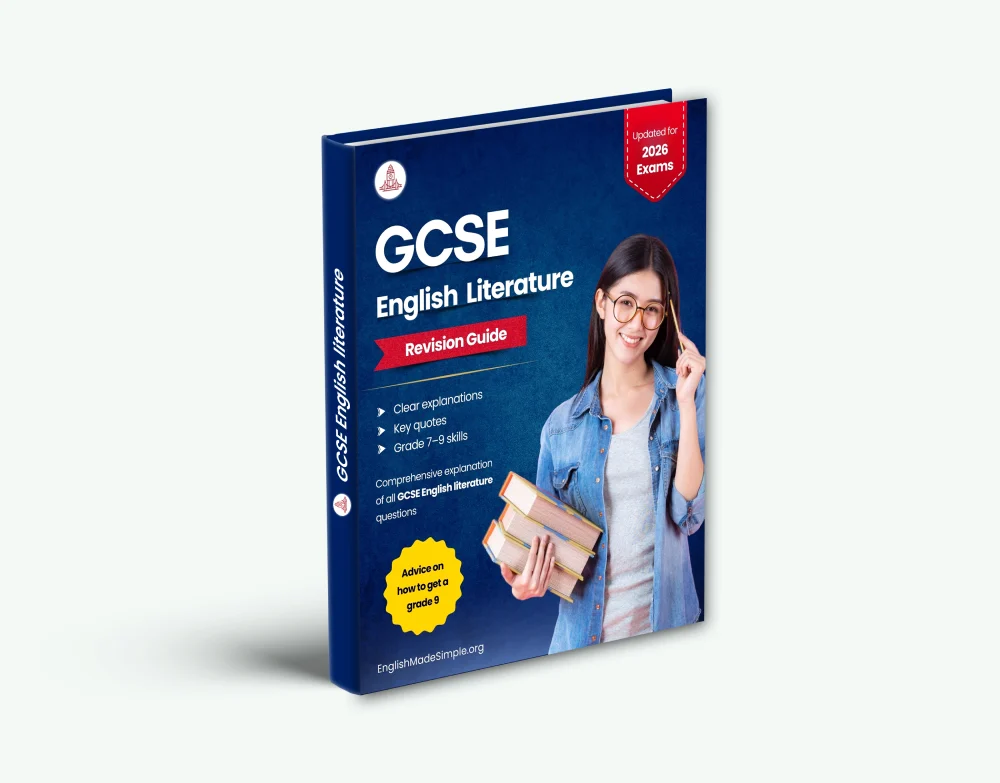
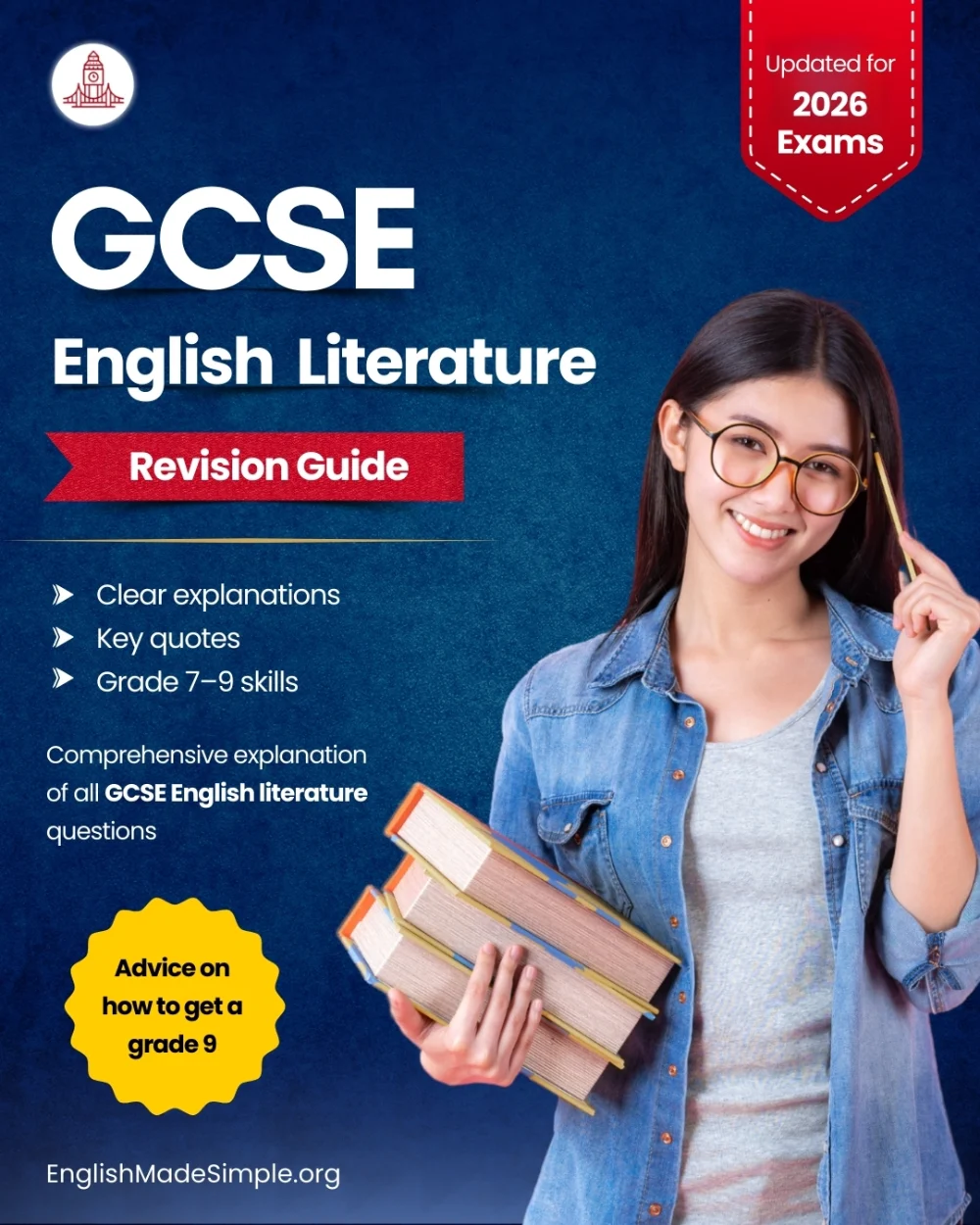
Welcome to the Comprehensive GCSE English Language Guide! In this comprehensive book, we will delve into the intricacies of the GCSE English Literature exam. Whether you’re a student preparing for the test or an educator guiding your students, this guide aims to provide valuable insights, tips, and resources.
Table of Contents
- Overview of the GCSE English Literature Exam
- Types of Questions in the Exam
- Significant Texts in the Curriculum
- Themes Analysis
- Notable Quotes
- Constructing Effective Responses

1. Overview of the GCSE English Literature Exam
The GCSE English Literature exam assesses your understanding of literary texts, critical analysis, and writing skills. Here’s what you need to know:
- Format and Structure:
- The exam typically consists of two papers: Paper 1 and Paper 2
- Paper 1 focuses on Shakespeare and the 19th-century novel.
- Paper 2 covers modern texts and poetry.
- Each paper has different sections, including multiple-choice questions, short answers, and essay questions.
2. Types of Questions in the Exam
- Multiple-Choice Questions:
- These assess your knowledge of specific texts, literary techniques, and themes.
- Short Answers:
- You’ll analyze excerpts from texts, discuss themes, and explore character development.
- Essay Questions:
- Longer responses where you’ll explore themes, characters, and literary techniques.
- Tip: PEE (Point, Evidence, Explanation) structure works well.
3. Significant Texts in the Curriculum
Here are some key texts you’ll encounter:
- Shakespeare:
- Common plays include “Romeo and Juliet,” “Macbeth,” and “Hamlet.”
- 19th-Century Novels:
- Look out for works like “Pride and Prejudice,” “Jane Eyre,” and “Great Expectations.”
- Modern Texts:
- Contemporary novels, short stories, or plays.
- Poetry Anthologies:
- Explore various poets and their works.

4. Themes Analysis
- Each text has underlying themes. For example:
- Love and Conflict in Shakespeare’s plays.
- Social Class in 19th-century novels.
- Identity and Loss in modern texts.
5. Notable Quotes
- Here are some memorable quotations from the texts:
- “What’s in a name? That which we call a rose by any other name would smell as sweet.” — Romeo and Juliet
- “It is a truth universally acknowledged, that a single man in possession of a good fortune, must be in want of a wife.” — Pride and Prejudice
6. Constructing Effective Responses
- Introduction:
- Briefly introduce the text and its context.
- Body Paragraphs:
- Address specific themes, characters, and literary techniques.
- Use relevant quotes to support your points.
- Conclusion:
- Summarize your analysis and provide insights.
Reviews
There are no reviews yet.