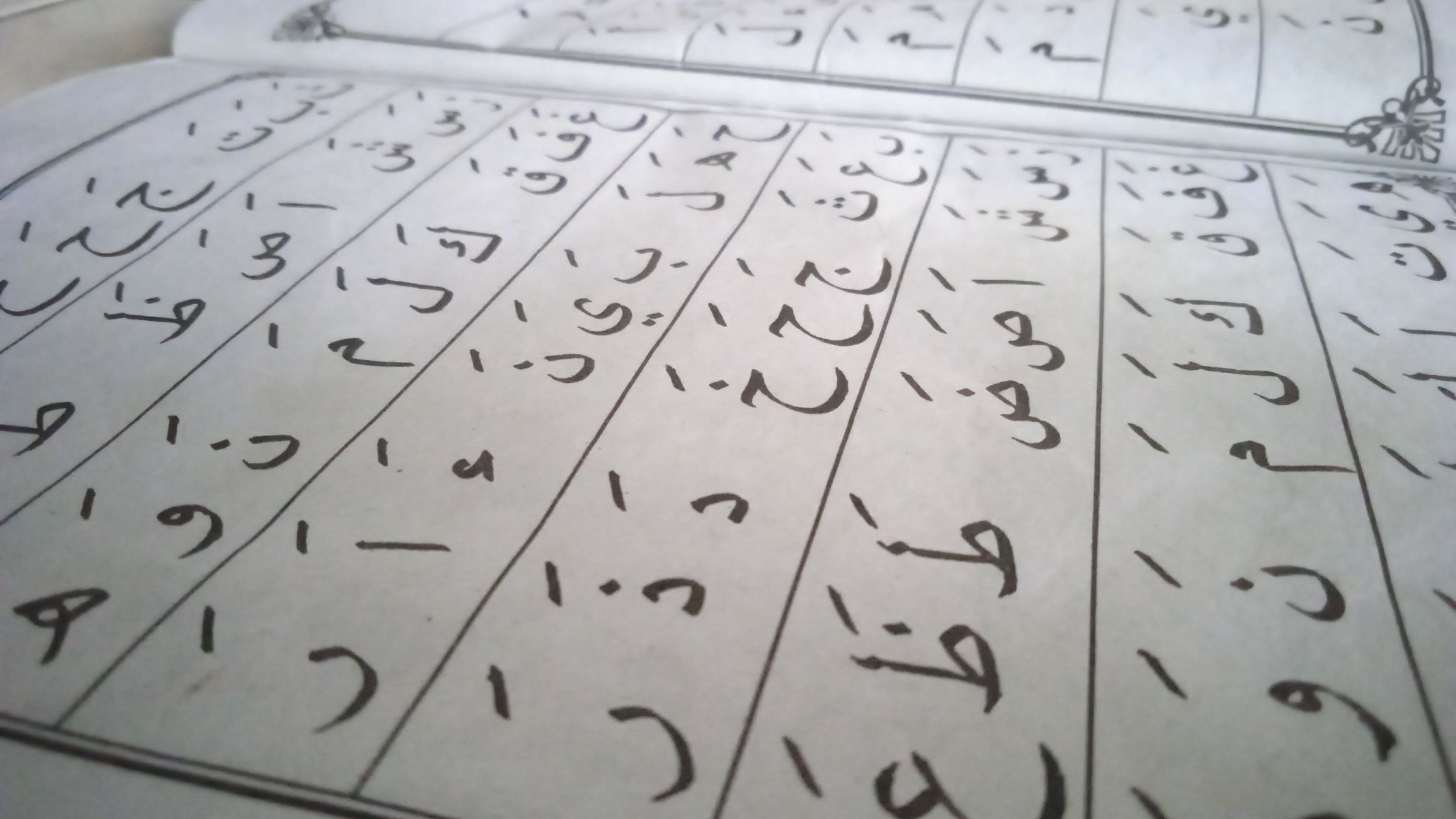
Arabic does not begin with grammar; it begins with wonder. Many people think it is hard until they hear the rhythm, the stories and the ideas in words. When one joins an Arabic course for beginners, they are not only learning a language. They are entering a rich tradition shaped by travel, trade and imagination.
The fact is, Arabic did not simply develop. It took in influences, helped shape empires, and carried the voices of poets, scholars and travellers for many centuries. Its literature shows philosophy, commerce, science and human experience. This blog looks at how the Arabic language course you choose links you to one of the world’s richest cultural timelines.
The Desert Roots That Sparked a Global Language
Arabic began as the speech of tribes across the Arabian Peninsula. These groups often prized memory, storytelling and poetry. Their spoken forms were not mere entertainment; they were identity.
This shows that the basis of Arabic was not formed in classrooms. It lived at campfires, markets and gatherings where poets competed for honour. When learners join an Arabic language course, they enter a system shaped by centuries of rhythm and care.
Why Early Arabic Matters to Modern Learners
Early Arabic:
- Kept meaning broadly through exact grammar
- Held eloquence above all
- Used patterns that still guide modern words
- Shaped how ideas were said, judged and kept
This structure explains why a modern Arabic course for beginners still teaches patterns that began long before writing became common.
The Shift to Written Masterpieces
When Arabic moved from spoken poetry to written form, everything changed. In the 7th and 8th centuries, scholars recorded poetry, philosophy and debates. Suddenly, ideas could travel far beyond the desert.
The Rise of Storytelling as Knowledge
Arabic literature is more than poetry. It includes travel writing, science, theology, medicine, astronomy and social comment. One of the oldest examples of world storytelling, One Thousand and One Nights, did not come from one author but from centuries of retellings across regions.
Students who start an Arabic course for beginners often find this surprising. They expect grammar but discover whole worlds.
Golden Age Scholars: The Architects of Global Knowledge
The Golden Age of Islam was not defined only by buildings or trade; it was driven by thinkers who used Arabic as the language of study. Their writings shaped Europe’s Renaissance.
Key Contributions That Still Shape Learning Today
- Al-Khwarizmi’s work in mathematics set the foundations of modern algebra
- Ibn Sina’s medical books taught European universities for centuries
- Al-Farabi’s ideas affected political thinking
- Ibn Battuta’s travel books recorded one of the longest journeys in history
Anyone taking an Arabic language course today can read these original sources rather than translations. That is part of the power of language.
How Arabic Literature Reinvented Itself Over Time
Arabic did not stay fixed in old scripts. Its writing changed across ruling dynasties, cultural shifts, colonisation and later independence movements.
- Poetry Became Protest: From the early 20th century onwards, Arabic poets used verse to criticise society. Their lines dealt with identity, national feeling, exile and hope.
- Novels Reimagined Social Life: Authors such as Naguib Mahfouz reshaped fiction by looking at class, politics and the individual. Modern Arabic novels cover themes like those in global literature while keeping the region’s poetic roots.
- The Language Became a Bridge: Today, Arabic media, films, songs, and online content help millions link heritage with modern life. Someone who starts an Arabic course for beginners can later reach this wide world of contemporary work.
How Learning Arabic Opens Unexpected Doors
Learning Arabic is not only about mastering grammar tables and rules. It widens cultural awareness, reading habits and communication skills.
1. You Build a Powerful Vocabulary System
Arabic uses root patterns that make new words easier to learn once you know the basics. This helps learners say things with more detail and accuracy. Even practising Arabic words vocabulary for a few minutes each day can raise confidence fast.
2. You Understand Cultures Through Language
Arabic shows how people value respect, hospitality, time and community. Phrases often carry cultural meaning that translations miss.
3. You Strengthen Your Communication in Other Languages
Arabic’s structure trains memory, pronunciation and clarity. That is why learners often see better English speaking and writing. Some even do better in IELTS speaking topics because they develop sharper thinking habits.
4. You Become a More Flexible Learner
A person who studies Arabic learns patience, curiosity and how to spot patterns. These skills also help in other areas, including English language tutoring, where knowing how people learn is useful.
Why Choose an Arabic Course for Beginners with English Made Simple?
Learning Arabic is easier when your guidance feels personal, patient and clear. English Made Simple helps you move beyond doubt and into steady progress. Even practising Arabic words vocabulary becomes more enjoyable when explanations are plain. We focus on helping you grasp the language, not memorise it.
- Clear Learning Journey: Each step builds on the last, so you progress without feeling lost or overwhelmed.
- Practical Communication: You learn phrases and patterns that make everyday conversations easier and more natural.
- Guidance That Builds Confidence: Tutors help you improve pronunciation and sentence flow so speaking feels smoother after each session.
- Meaningful Cultural Context: Lessons show the stories and values behind expressions, making the language richer and easier to remember.
- Study That Fits Your Life: You can change session frequency and pace, making it possible to stay consistent even with a busy schedule.
Ready to Learn Arabic the Right Way?
Arabic’s history moves from poetic memory to scientific enquiry and modern storytelling, carrying ideas across generations. Anyone who starts an Arabic course for beginners taps into a tradition shaped by curiosity, expression and human connection. Each Arabic language course you take opens new layers of meaning that make the language feel alive.
If you want guidance that feels clear, supportive and genuinely enjoyable, English Made Simple is ready to help you grow. Our lessons make progress feel achievable, no matter your starting point. Start your journey with English Made Simple today and see how far Arabic can take you.