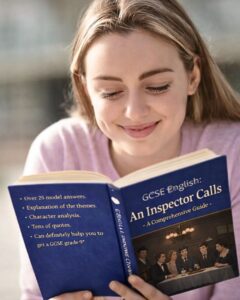

Most learners spend months trying to build their vocabulary and still feel stuck at the same level. The problem is rarely effort, it is almost always method. When you follow a structured approach, even the most challenging words become familiar, and English lessons for beginners can lay the foundation that makes everything else fall into place naturally.
At English Made Simple, we support learners across the UK who want real, measurable progress with their language skills. Whether you are working through your English GCSE revision or simply looking to communicate with greater confidence, the 10 methods in this guide are practical, straightforward, and easy to build into your daily routine.
Why Do English Lessons for Beginners Always Start With Vocabulary?
Vocabulary is the foundation of every language skill, reading, writing, speaking, and listening all depend on it. Before diving into the 10 methods, here is what every good teacher will tell you:
- Words give meaning to grammar: Without a solid word bank, even grammatically correct sentences lose their impact and clarity.
- Context builds retention: Encountering new words within real sentences and situations helps your brain store them far more effectively than isolated memorisation.
- Confidence follows recognition: The more words you understand, the more comfortable you become engaging with the language in everyday situations.
- Vocabulary strengthens exam performance: A wider word range makes English GCSE revision significantly more manageable, particularly across reading and writing papers.
10 Fun and Easy Ways to Improve Your English Vocabulary
A strong vocabulary is built gradually, through small, repeatable habits rather than long, exhausting study sessions. The 10 methods below are practical enough to work alongside a busy schedule, yet effective enough to produce results you will actually notice.
1. Keep a Vocabulary Journal
Each time you come across an unfamiliar word, write it down in a dedicated notebook with its meaning and an example sentence. Going back to those entries regularly is what separates learners who retain new words from those who forget them within a week.
2. Read UK News and Articles Daily
UK publications such as BBC News or The Guardian use the kind of language that appears regularly in real academic and professional contexts. Making this a daily habit strengthens your English GCSE revision naturally, since comprehension papers are frequently modelled on the same writing styles.
3. Watch English Content With Subtitles
Watching films, documentaries, or TV programmes with English subtitles trains your brain to connect spoken words with their written form simultaneously. This method reinforces vocabulary naturally, without requiring any additional study effort.
- News programmes — Pause and note any unfamiliar words you see or hear on screen
- Documentaries — Focus on topic-specific vocabulary that broadens your subject knowledge
- Drama series — Pay attention to conversational phrases and emotional language in context
- YouTube tutorials — Follow the subtitles and write down three new words per video
4. Use New Words Within 24 Hours of Learning Them
Using a new word in a sentence shortly after learning it significantly increases the likelihood of long-term retention. This active approach is a core principle in most English lessons for beginners programmes because it moves vocabulary from recognition into real use.
5. Learn Words in Topic Clusters, Not Random Lists
Grouping words by theme mirrors the way structured study GCSE English online programmes are built, making revision more focused and far less overwhelming. When words share a context, your brain stores and retrieves them far more efficiently.
| Topic Cluster | Example Words |
| Emotions & Feelings | Anxious, relieved, melancholy, euphoric |
| Nature & Environment | Ecosystem, arid, abundant, conservation |
| Society & Culture | Diversity, tradition, inequality, heritage |
| Literature & Language | Metaphor, narrative, symbolism, tone |
6. Play Word Games Regularly
Repetition is essential for vocabulary retention, and word games make that repetition far less tedious than staring at a word list. Short, regular sessions with the right games can produce surprisingly strong results over the course of a few weeks.
- Wordle — Sharpens spelling awareness and trains your eye for letter patterns in just five minutes a day.
- Scrabble — Pushes you to think differently about word construction and how letters can be combined.
- Crosswords — Build recall strength by requiring you to pull words from memory rather than recognise them on a page.
7. Follow English Sports Commentary
Television and radio commentary, particularly around top 10 fastest players in Premier League fixtures, uses descriptive, high-quality language that most textbooks simply do not replicate. Words like relentless, clinical, and composed appear constantly in match coverage, and hearing them used naturally in context is one of the most effective ways to make them stick.
8. Use Flashcard Apps for Daily Practice
Spaced repetition, the learning method built into apps like Anki and Quizlet, works by showing you words at carefully timed intervals to strengthen memory before it fades. For anyone working through English lessons for beginners, even ten minutes of daily practice with these tools produces steady, measurable vocabulary growth within weeks.
- Download Anki or Quizlet — Both are free and trusted by language learners at every level
- Create your own cards — Write the word on one side and a sentence using it on the other
- Group cards by topic — Organising by theme supports cluster learning and makes recall faster
9. Write Short Summaries of Everything You Read
Taking three to five sentences to summarise an article, chapter, or news story pushes you to use new vocabulary actively rather than simply recognising it on the page. The added benefit is that this habit feeds directly into English GCSE revision writing practice, strengthening two skills at the same time.
10. Take Structured Lessons With Guided Feedback
Independent study builds habits, but it rarely identifies the specific gaps holding a learner back. Choosing to study GCSE English online with a qualified teacher means your vocabulary work becomes targeted, your weaker areas receive direct attention, and your improvement is trackable rather than assumed.
Random Word Lists vs. Structured Study — Which One Actually Works for English GCSE Revision?
Not all vocabulary learning methods produce the same results, and the difference between random learning and structured study is more significant than most learners realise. Here is a direct comparison to help you understand which approach delivers lasting progress:
| Random Word Lists | Structured Study | |
| Retention Rate | Low, words are forgotten within days without context | High, words learned in context are retained significantly longer |
| Exam Relevance | Minimal, random words rarely align with what appears in papers | Strong, targeted vocabulary directly supports English GCSE revision performance |
| Progress Tracking | Difficult, no clear measure of improvement | Clear, structured programmes allow you to monitor growth consistently |
| Motivation | Declines quickly, repetitive lists feel unrewarding | Sustained, visible progress keeps learners engaged and consistent |
| Best Suited For | Casual, low-stakes language exposure | Learners who study GCSE English online or follow a guided programme |
How English Made Simple Makes It Easier to Study GCSE English Online
Pulling together quality English learning resources is not as straightforward as most learners expect, and English Made Simple was built to change that for UK students. The platform covers structured exam support and everyday language development without sending you elsewhere to find what you need.
- GCSE English Guides: Separate guides for AQA, OCR, Edexcel, WJEC, CCEA, and Eduqas break down exactly what each exam board requires, taking the guesswork out of English GCSE revision for students across the UK.
- E-books: The GCSE English Language and Literature e-books walk learners through vocabulary, essay technique, and exam preparation in a format that works well for those who prefer to study GCSE English online independently.
- Online Lessons: One-to-one sessions with qualified teachers span GCSE English, IELTS, TOEFL, grammar, and general English, covering English lessons for beginners right through to those preparing for high-stakes exams.
- Quizzes: Free interactive quizzes test grammar, comprehension, and writing in short, focused sessions that make it easy to spot weak areas and measure how far you have come.
Better English Is Closer Than You Think
Progress with vocabulary comes down to habit rather than effort, and the methods covered in this guide are realistic enough to stick with over time. Learners who apply even a handful of these approaches consistently will find the difference showing up in their writing, reading, and spoken confidence sooner than expected.
English Made Simple pulls expert teaching, focused revision content, and well-priced resources into one place for UK learners who are serious about moving forward. If you are ready to study GCSE English online with a clear plan behind you, this is a practical place to start.