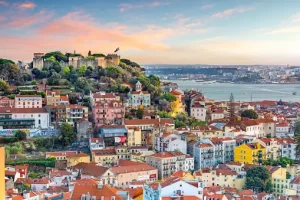
Lisbon: A Tapestry of History and Culture
Nestled on the western edge of Europe, overlooking the Atlantic Ocean, Lisbon stands as a testament to resilience, culture, and exploration. As one of the oldest cities in the world, Lisbon's history is as captivating as its hilly streets and colorful neighborhoods.
Historical Overview
Lisbon's origins trace back over two millennia. Founded by Phoenician traders around 1200 BC, it soon became a crucial port in the Mediterranean trade routes. Through the centuries, Lisbon endured conquests by the Romans, Visigoths, and Moors, each leaving their mark on its architecture and culture. However, it was during the Age of Discovery in the 15th and 16th centuries that Lisbon truly flourished. Under the patronage of Prince Henry the Navigator, Portuguese explorers like Vasco da Gama and Ferdinand Magellan embarked on voyages that expanded Europe's understanding of the world and enriched Lisbon's coffers with treasures from Africa, Asia, and the Americas.
Modern Cityscape
Today, Lisbon blends its rich past with a vibrant present. The cityscape is a mosaic of ancient Moorish walls, medieval churches, and grand plazas adorned with intricate tilework. The iconic São Jorge Castle, perched atop one of Lisbon's seven hills, offers panoramic views of the city below. Along the Tagus River, the Belém Tower and the Jerónimos Monastery stand as reminders of Portugal's golden age of exploration, their Manueline architecture captivating visitors from around the globe.
Cultural Melting Pot
Lisbon's cultural fabric is equally diverse. Fado, the melancholic music that echoes through its narrow alleys, speaks of saudade—the deep emotional longing that permeates Portuguese identity. The city's culinary scene delights with bacalhau (salted cod), pastéis de nata (custard tarts), and Vinho Verde wines. Artists and writers, drawn by Lisbon's bohemian charm, find inspiration in its winding streets and sun-drenched squares.
Contemporary Life
In recent decades, Lisbon has emerged as a hub of innovation and creativity. Tech startups thrive in the modernist buildings of the Parque das Nações district, once the site of Expo '98. The city's tram system, a blend of nostalgia and practicality, winds through neighborhoods where past and present coexist harmoniously.
Conclusion
Lisbon's allure lies not only in its historical grandeur but also in its ability to embrace change while honoring its roots. From its humble beginnings as a Phoenician outpost to its status as a cultural capital of Europe, Lisbon continues to enchant and inspire all who wander its cobbled streets.