
logo - 2

GCSE Biology • Higher Tier

GCSE Cells Revision Guide

Cells are the fundamental building blocks of all living organisms. This guide covers everything you need to know about cells for your GCSE Biology exam, including cell structure, specialised cells, cell division, microscopy and cell transport.

Foundation

Exam practice

Worked examples

Your Learning Pathway

Follow these steps to build your understanding and improve your exam technique.

Learn the concept

Read clear explanations in simple language.

Explore diagrams

Visualise key structures and processes.

Check key terms

Learn & review important vocabulary.

Apply exam skills

Build confidence with practice questions and tips.

Learning Objectives

By the end of this guide, you will be able to:

Identify cell structures

Recognise and describe the structures and functions of plant and animal cells.
Explain cell transport

Describe diffusion, osmosis and active transport, and how substances move in cells.

Apply practical skills

Use microscopes, calculate magnification and investigate osmosis in plant cells.
What You'll Learn

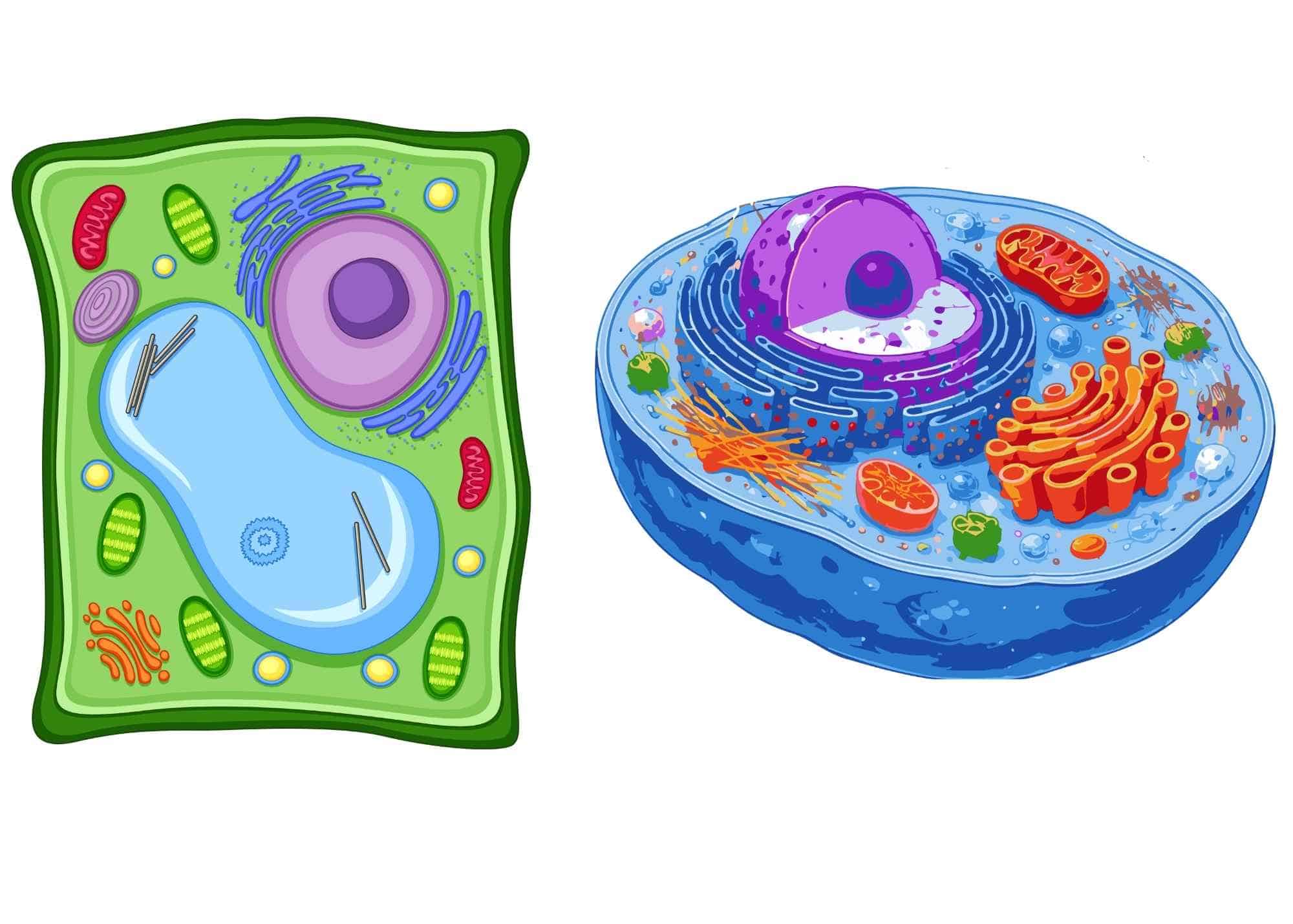
Animal vs Plant Cells

Compare cell structures
Organelles & Functions

Explore organelle roles
Specialised Cells

Cells adapted for specific jobs
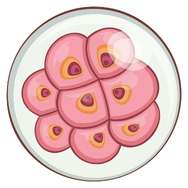
Cell Differentiation

How cells become specialised
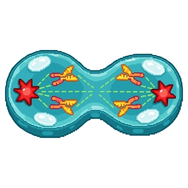
Mitosis

Cell division and growth
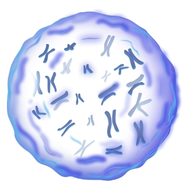
Stem Cells

Features and potential uses
Microscopy

Magnification made simple
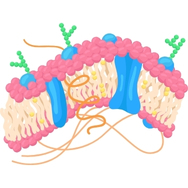
Cell Transport

Substances cross membranes
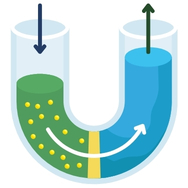
Osmosis

Water movement in cells
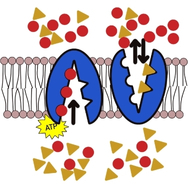
Active Transport

Moving against a gradient
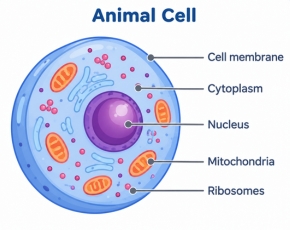
Animal Cells vs Plant Cells

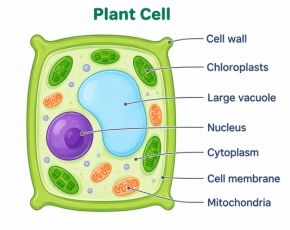
Plant and animal cells share many structures, but plant cells also have unique features.

Microscopy & Magnification

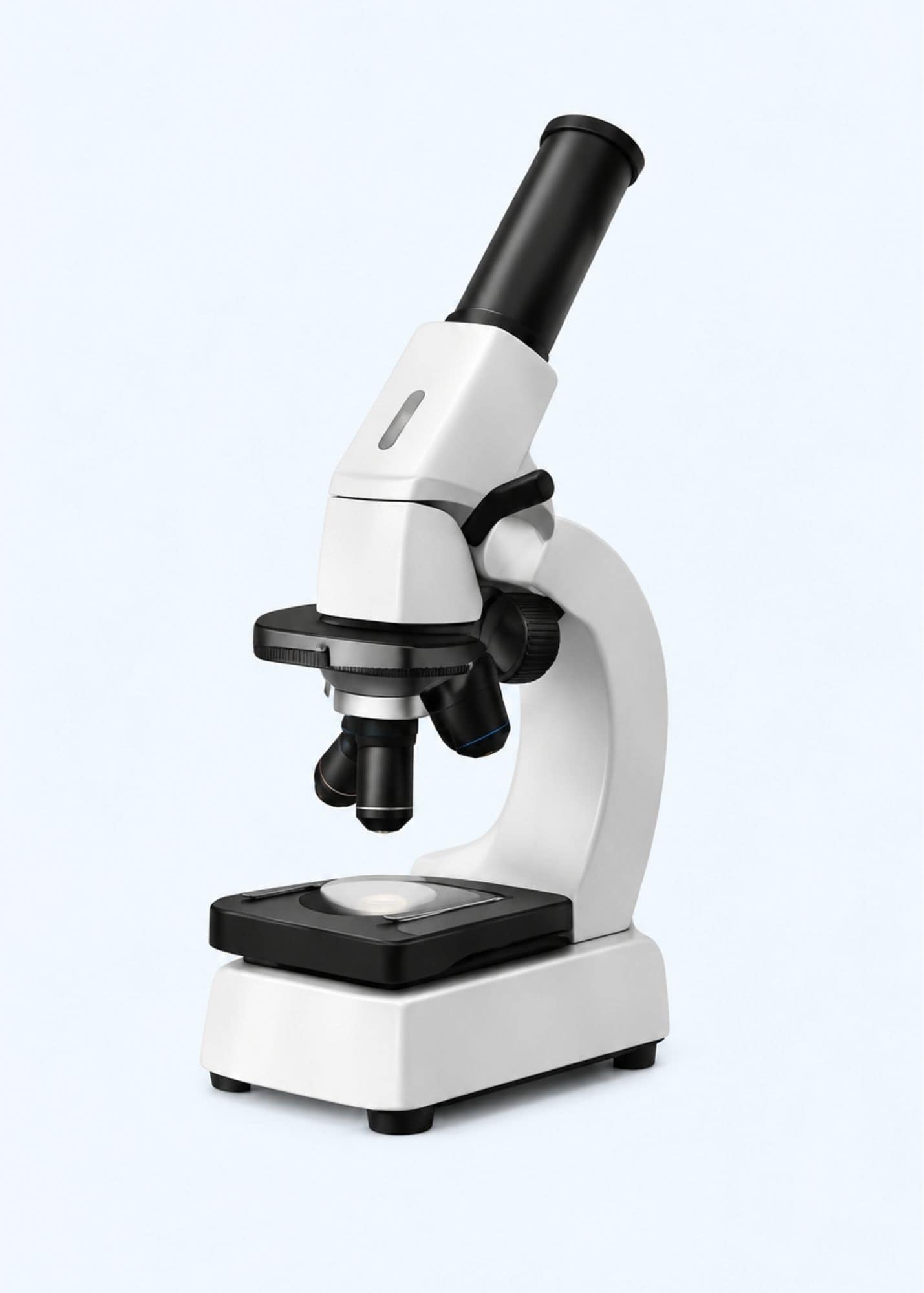
Microscopes allow us to see cells and their structures in more detail.

Key Facts to Remember

Three essential facts to remember for your GCSE Biology exam.

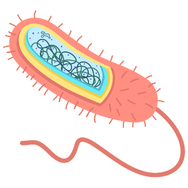
Prokaryotic cells have no nucleus.

Their genetic material is a single loop of DNA found in the cytoplasm.
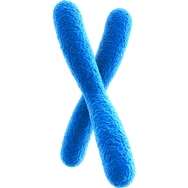
DNA is carried on chromosomes.

Chromosomes are made of DNA and contain the genetic information for the cell.
Surface area to volume ratio affects exchange.

Smaller cells have a larger surface area to volume ratio, allowing faster exchange of substances.


Common GCSE Exam Questions

These are the types of questions you are likely to encounter in your exam.

Ready to Practice?

Printable Worksheet

Download and print practice questions with answers.

Interactive Quiz

Test your knowledge with instant feedback and hints.

Exam-Style Questions

Timed questions to build confidence for the real exam.

Watch the Cells Tutorial

Explore cell structure and function, the differences between plant and animal cells, and essential processes such as diffusion, osmosis and mitosis. Perfect for visual learners preparing for their GCSE Biology exams.

Frequently Asked Questions

Cells are the basic building blocks of all living organisms. In GCSE Biology, students learn about cell structure, organelles, specialised cells, cell division and transport processes. Understanding how cells function is essential for explaining growth, reproduction and the processes that keep organisms alive.

Plant and animal cells both contain a nucleus, cytoplasm, cell membrane, mitochondria and ribosomes. However, plant cells also have a cellulose cell wall, a large permanent vacuole and, in photosynthetic tissues, chloroplasts. These additional structures help plants maintain their shape and carry out photosynthesis.

Cell organelles perform specific functions that help cells survive. The nucleus contains genetic material and controls cell activities, mitochondria are the site of aerobic respiration, and ribosomes produce proteins. The cell membrane controls the movement of substances into and out of the cell, while chloroplasts absorb light for photosynthesis. 

Mitosis is a type of cell division that produces two genetically identical daughter cells, each with the same number of chromosomes as the original cell. It is essential for growth, tissue repair and replacing damaged cells. GCSE Biology students should understand the stages of the cell cycle and the importance of mitosis in living organisms.

Diffusion is the net movement of particles from a higher to a lower concentration. Osmosis involves the net movement of water through a partially permeable membrane from a dilute solution to a more concentrated solution. Active transport moves substances against their concentration gradient using energy released by respiration.

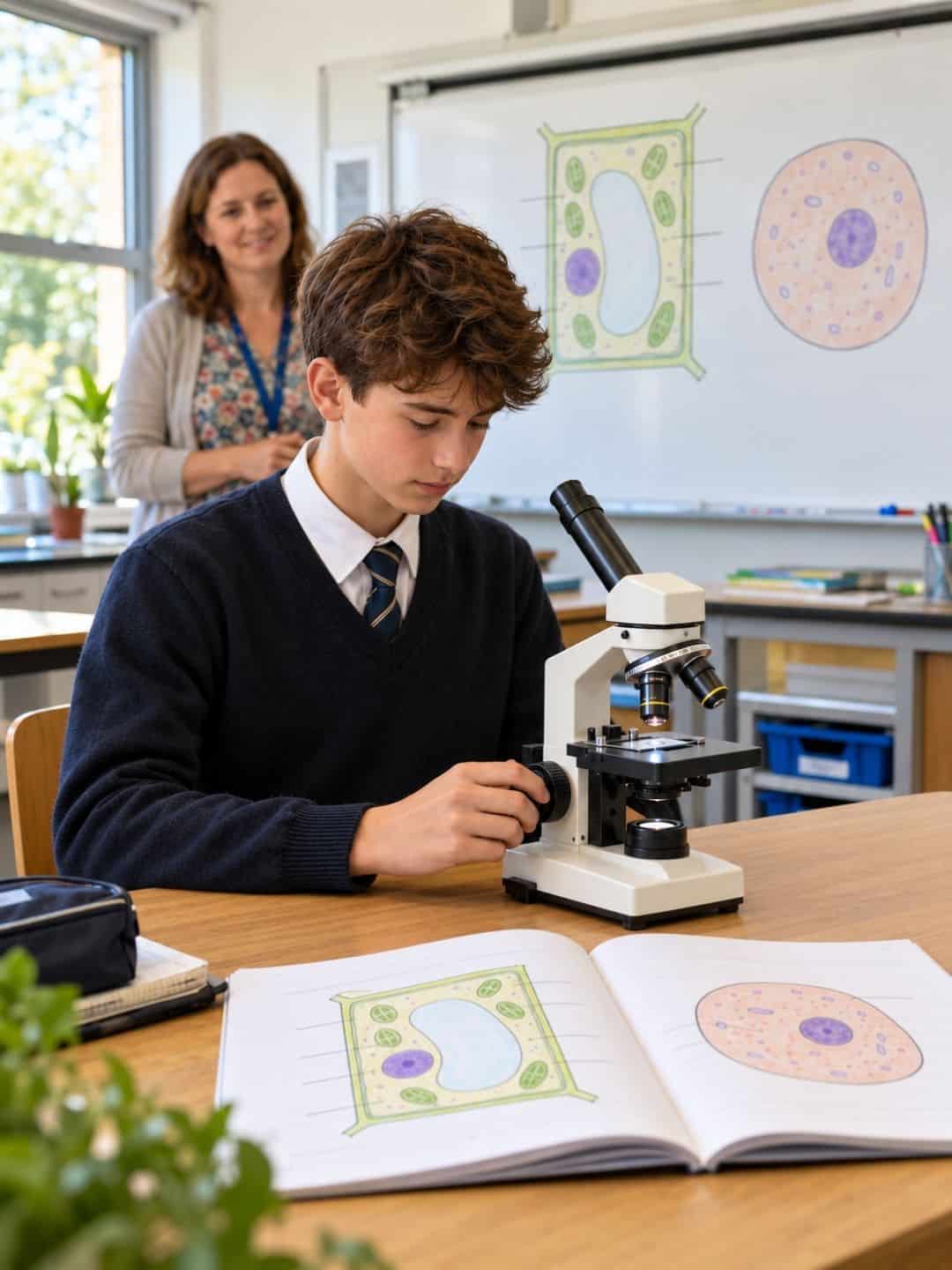
To revise GCSE Biology Cells effectively, start by learning cell structures and their functions. Practise labelling plant and animal cell diagrams, calculating microscope magnification and explaining mitosis and cell transport. Review required practical investigations, including osmosis, and complete past-paper questions to improve your exam technique.